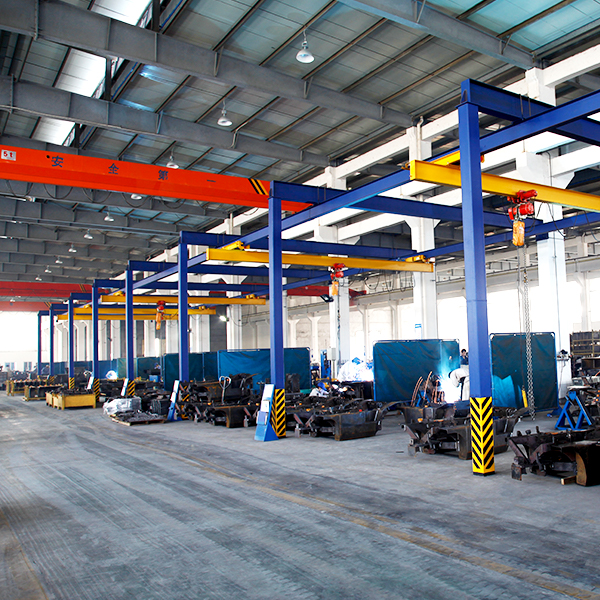
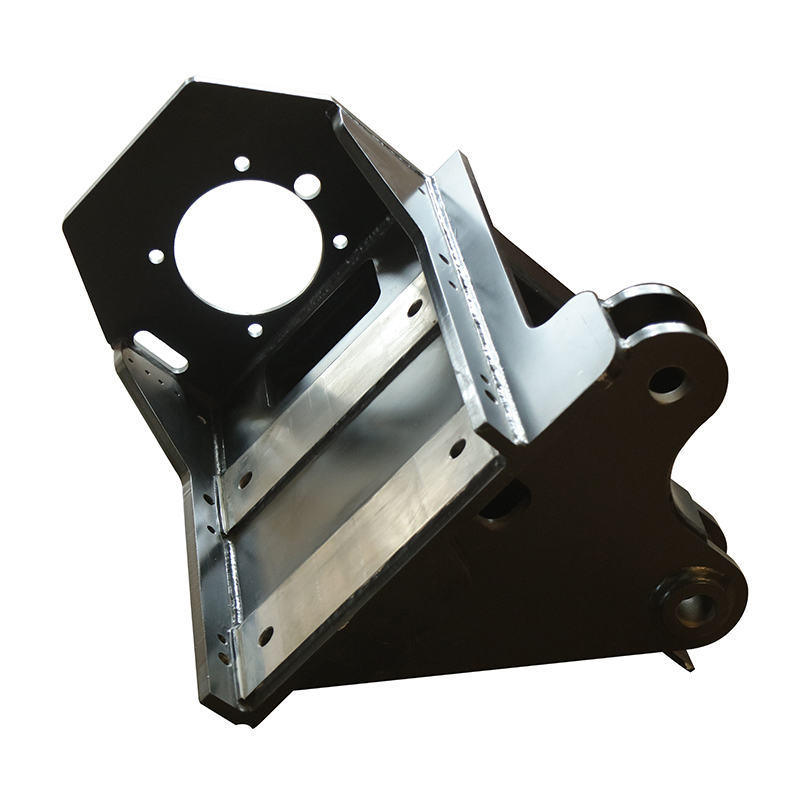
**Advancements in Welding Techniques for Galvanised Steel: A Step Forward in Metal Fabrication**In the ever-evolving field of metal fabrication, welding galvanised steel has long presented unique challenges due to the zinc coating that protects the steel from corrosion. Recent developments and innovative techniques have significantly improved the welding process of galvanised steel, enhancing both the quality and durability of the welds while maintaining the steel’s corrosion resistance. This breakthrough comes at a crucial time as industries across construction, automotive, and manufacturing sectors increasingly rely on galvanised steel for its strength and longevity.Galvanised steel, coated with a thin layer of zinc, provides excellent resistance to rust and corrosion, making it an ideal material for outdoor structures, vehicles, and industrial equipment. However, traditional welding methods often encounter issues such as zinc vaporization which creates fumes that are harmful to welders and porosity in welds that compromise structural integrity. Overcoming these obstacles requires both technological innovation and adherence to stringent safety measures.One of the key advancements in welding galvanised steel is the development of improved shielding gases and welding parameters that minimize zinc vaporization. By carefully controlling the heat input and using gases that protect the weld pool more effectively, fabricators can significantly reduce defects such as porosity and cracking. These optimized techniques improve weld penetration and fusion, resulting in stronger joints with enhanced durability.Additionally, the implementation of advanced welding equipment with better temperature control and real-time monitoring allows for more precise welding operations. This not only improves weld quality but also ensures compliance with environmental and occupational health standards by reducing harmful emissions during the process.Another important technique gaining traction is pre-treatment and post-treatment of galvanised steel components prior to welding. Removing the zinc layer in the immediate welding area, either through mechanical means or chemical processes, helps to reduce the formation of toxic fumes and improves weld quality. After welding, applying touch-up galvanising or protective coatings restores the corrosion-resistant properties of the steel, ensuring long-term durability.These innovations have been widely adopted in various sectors demanding reliable metal joints with superior corrosion resistance. Construction companies benefit from the enhanced structural performance and longevity of welded galvanised steel frameworks. Automotive manufacturers appreciate the combination of lightweight strength and rust protection, contributing to safer and more fuel-efficient vehicles. Industrial equipment producers also rely on these techniques to deliver machinery that withstands harsh operational environments.Alongside technical improvements, the commitment to worker safety remains a top priority. Enhanced ventilation systems, protective gear, and rigorous training programs are integral components that accompany modern welding practices. By fostering a safer work environment, companies protect their workforce while maintaining high productivity and quality standards.The growing expertise in welding galvanised steel reflects a broader trend within the metal fabrication industry towards more sustainable and efficient manufacturing processes. Companies that invest in research and development of such techniques position themselves at the forefront of innovation, ready to meet the evolving demands of global markets.In summary, the recent progress in welding galvanised steel represents a significant milestone in metal fabrication technology. Through a combination of advanced equipment, optimized procedures, and enhanced safety protocols, fabricators can now achieve stronger, more reliable welds without compromising the protective qualities of galvanisation. This progress not only extends the lifespan of steel structures but also contributes to safer and more environmentally responsible manufacturing practices.As industries continue to adopt these cutting-edge methods, the future of galvanised steel welding looks promising, underpinning the durability and performance of countless products and infrastructure projects worldwide.
Read More