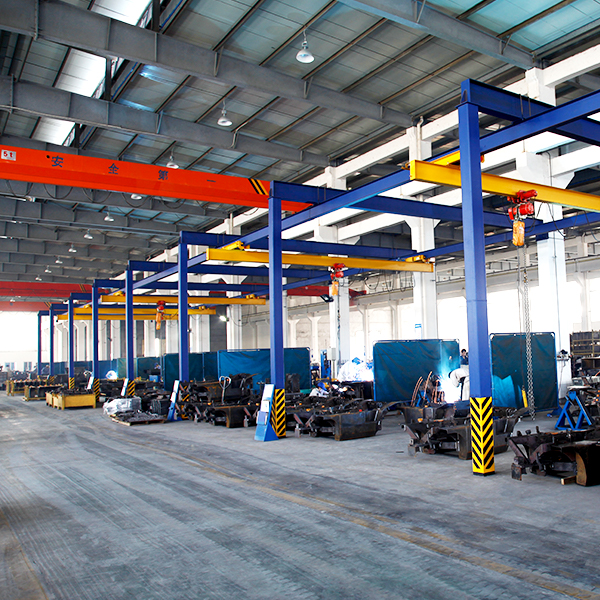
**Advancements in Welding Technology: Seamless Joining of Stainless Steel Exhaust to Mild Steel**In the rapidly evolving field of metal fabrication, innovative welding techniques have become pivotal in enhancing product durability and performance. One such significant breakthrough is the successful welding of stainless steel exhaust components to mild steel substrates. This development marks a milestone in manufacturing processes across automotive, industrial, and engineering sectors.Traditionally, welding dissimilar metals such as stainless steel and mild steel has posed considerable challenges due to differences in thermal expansion, melting points, and metallurgical properties. These factors often contribute to weld defects, including cracking, porosity, and corrosion at the joint interface, compromising the structural integrity and longevity of the final assembly. However, recent advancements in welding technology and methodical process optimization have addressed these hurdles effectively.**Technical Breakthroughs in Welding Stainless Steel to Mild Steel**The core challenge in welding stainless steel exhausts to mild steel lies in managing the metallurgical incompatibility between the two materials. Stainless steel, known for its corrosion resistance and high chromium content, tends to form brittle intermetallic compounds when joined directly with mild steel if welding parameters are not meticulously controlled.Innovative welding procedures such as optimized Gas Tungsten Arc Welding (GTAW), Metal Inert Gas (MIG) welding with specific filler materials, and advanced laser welding techniques have been employed to overcome these challenges. Engineers utilize buffer layers or specially formulated filler wires that compensate for the differing chemical compositions, thus minimizing thermal stresses and preventing detrimental phase formations.Moreover, precise control of heat input and cooling rates during welding plays a critical role in preventing distortion and ensuring a robust metallurgical bond. Post-weld heat treatments further enhance joint properties by relieving residual stresses and improving corrosion resistance in the heat-affected zones.**Industry Applications and Benefits**This advancement holds immense significance for the automotive industry, where exhaust systems are critical for vehicle performance and emissions control. Stainless steel provides excellent resistance against high-temperature oxidation and corrosion due to exhaust gases, while mild steel components ensure structural strength and cost efficiency. The ability to weld these materials seamlessly enables manufacturers to optimize exhaust system design by combining the best properties of both materials.In industrial machinery and heavy equipment manufacturing, components frequently operate under harsh conditions where reliable joints are crucial for safety and functionality. Welding stainless steel exhausts to mild steel frameworks enhances durability while allowing for cost-effective material use.The environmental benefits are noteworthy as well. Improved welding quality translates to longer-lasting exhaust systems which reduce maintenance needs and replacement frequency, ultimately diminishing resource consumption and waste generation.**Company Introduction**At the forefront of these welding innovations is {}, a leader in metal fabrication and welding solutions. With decades of experience, the company has established a reputation for pioneering high-precision welding technologies that address complex material joining challenges. Their R&D division continuously collaborates with materials scientists and industry experts to refine welding protocols ensuring optimal performance and sustainability.{}’s state-of-the-art manufacturing facility integrates advanced robotic welding systems, non-destructive testing equipment, and real-time quality monitoring to deliver consistent and reliable welds. Coupled with a dedicated team of skilled engineers, the company provides tailored solutions for clients ranging from automotive OEMs to heavy industry players.The company’s commitment to innovation is evident in its successful implementation of stainless steel to mild steel welding techniques, backed by rigorous testing and certification processes. These capabilities empower {} to support customers in enhancing product life cycles, reducing operational costs, and meeting stringent environmental regulations.**Future Outlook**Advances in dissimilar metal welding continue to drive industry transformation. Ongoing research into new filler materials, hybrid welding technologies, and automated inspection methods promises further improvements in joint quality and manufacturing efficiency.{} is poised to remain a key player in this evolving landscape by investing in next-generation welding equipment and embracing digital manufacturing trends. Their focus on sustainable practices and customer-centric innovation aligns with global efforts toward greener industrial processes.As welding stainless steel exhaust components to mild steel becomes increasingly viable, industries can expect stronger, lighter, and more cost-effective products. This breakthrough not only enhances current manufacturing capabilities but also opens avenues for novel design architectures and applications.**Conclusion**The successful welding of stainless steel exhaust systems to mild steel frameworks represents a crucial advancement in metal joining technology. It effectively addresses longstanding challenges associated with dissimilar metal welding, ensuring enhanced durability, corrosion resistance, and economic feasibility.With {} leading the charge in developing and commercializing these techniques, industries stand to benefit from improved performance and sustainability across a range of applications. This progress underscores the vital role of innovation in metallurgy and engineering as the foundation for next-level manufacturing excellence.
Read More